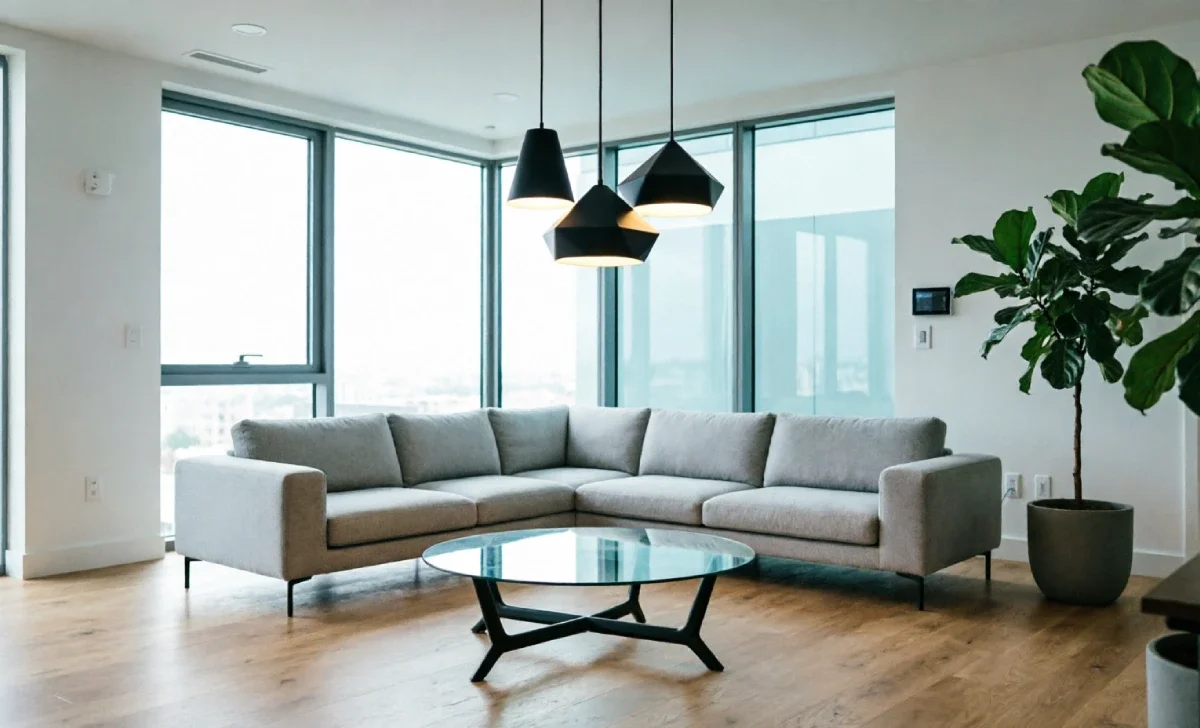
Choosing flooring for your home isn't just a design decision — it directly affects your daily life, cleaning routine, and the long-term durability of your house. The best flooring for homes is the one that fits your lifestyle, budget, and the specific needs of each room, whether you have kids, pets, or high daily foot traffic. In this guide, we'll walk through different flooring materials, room-by-room recommendations, a detailed look at luxury vinyl, and the flooring trends shaping 2026, so you can make the right choice for your home.
What to Consider When Choosing the Best Flooring for Homes
Before selecting flooring, it's worth thinking through a few key factors:
- How much daily traffic the room gets
- Exposure to water or moisture
- How easy the floor is to clean and maintain
- Scratch and wear resistance
- Installation method and cost
- Long-term durability and value for money
These factors will guide you toward the right flooring for your kitchen, bedroom, or living room.
Laminate vs. Vinyl vs. Hardwood Flooring
Laminate Flooring
Laminate is an affordable, wood-look option known for good scratch resistance. It works well in bedrooms and living rooms, but it isn't the best fit for high-moisture areas.
Vinyl Flooring
Vinyl is popular for its water resistance and easy maintenance. It's a practical choice for busy households, kitchens, and bathrooms.
Hardwood Flooring
Hardwood offers a natural look and strong long-term value. Its durability is excellent, but it does require careful attention to moisture and maintenance.
Quick Comparison: In terms of cost, laminate is the most budget-friendly, vinyl sits in the mid-range, and hardwood is a premium investment. Hardwood leads in durability and appearance, while vinyl remains the top choice for water resistance.
Best Flooring for Busy Homes and Families
Homes with children, pets, or heavy daily traffic need flooring that's scratch-resistant and easy to clean.
- Vinyl Plank works especially well for busy homes because it handles stains and scratches with ease
- Laminate is a good fit for rooms with lower moisture exposure
- Tile is a durable option for high-traffic areas like entryways and hallways
Waterproof Flooring Options for Kitchens, Bathrooms, and Laundry Rooms
Moisture-prone areas need waterproof flooring to protect the subfloor from damage. Vinyl and luxury vinyl are top choices in this category, while porcelain and ceramic tile are also reliable options. It's important to understand the difference between waterproof and water-resistant flooring — waterproof flooring offers full protection, while water-resistant flooring can only handle light moisture exposure.
Best Flooring Options for Different Rooms
- Kitchen: Vinyl, luxury vinyl, or porcelain/ceramic tile — waterproofing and easy cleaning are essential features
- Living Room: Hardwood, engineered wood, laminate, or luxury vinyl — both appearance and comfort matter here
- Bedroom: Laminate, engineered wood, or luxury vinyl — prioritize warmth and comfort underfoot
- Entryway and Hallway: High durability, scratch resistance, and moisture protection are key
Luxury Vinyl Flooring: A Practical Choice for Modern Homes
Luxury vinyl is a modern flooring option that offers realistic wood, stone, and marble looks. Its two main types are Luxury Vinyl Plank (LVP) and Luxury Vinyl Tile (LVT), while Engineered Vinyl Plank (EVP), Engineered Vinyl Tile (EVT), and Sheet Vinyl are also available. Most luxury vinyl comes with click-lock installation, making it DIY-friendly.
Benefits of Luxury Vinyl Flooring
- Excellent water resistance
- High durability and scratch resistance
- Comfortable underfoot
- Noise reduction
- Easy to clean
- Realistic wood and stone appearance
Not all vinyl flooring is the same — construction, core material, wear layer, and finish can vary significantly, so it's important to choose a product suited to your room's traffic level.
What to Look for When Buying Luxury Vinyl Flooring
- Wear Layer: The higher the traffic, the thicker the wear layer should be
- Waterproof Construction: Essential for kitchens, bathrooms, basements, and laundry rooms
- Surface Finish: Affects scratch protection, slip resistance, and overall appearance
- Core and Underlayment: A rigid core improves comfort and sound absorption
Luxury Vinyl Flooring Cost and Long-Term Value
The cost of luxury vinyl depends on material quality and installation method, and DIY installation can offer significant savings. It's typically a bit more expensive than laminate but more affordable than hardwood, and in terms of lifespan and durability, it holds up well as a long-term investment.
Luxury Vinyl Installation Guide
- Check the Subfloor — inspect for bare subfloor, existing tile or wood, and any uneven surfaces
- Measure the Room — calculate square footage, account for walls and stairs, and buy extra flooring for future repairs
- Prepare the Floor — clean and level the surface, check for moisture, and use underlayment where needed
- Follow Installation Tips — let the flooring acclimate, plan your plank layout, mix boxes for natural variation, and always leave expansion space
Luxury Vinyl Flooring and Moisture Concerns
Concrete subfloors with excess moisture can increase the risk of mold. Using a vapor barrier and inspecting moisture levels properly can help prevent this. If moisture levels are high, it's best to bring in professional help.
How to Maintain and Clean Luxury Vinyl Flooring
- Sweep or dust mop regularly
- Damp mop when needed, avoiding excess water
- Clean up spills right away
- Use door mats and rugs at entry points
- Add furniture pads to prevent scratches
- Use the hard floor setting on your vacuum
- Avoid harsh chemicals and wax — luxury vinyl doesn't need waxing or refinishing
Flooring Trends 2026 That Actually Make Sense
- Wide plank flooring
- Neutral wood tones
- Water-resistant and waterproof flooring options
- Realistic wood and stone textures
- Low-maintenance flooring for modern homes
Best Flooring Options by Lifestyle
- Families with kids: Scratch-resistant, easy-clean vinyl plank
- Pet owners: Waterproof, durable luxury vinyl
- Busy households: Low-maintenance vinyl or laminate
- Budget-conscious homeowners: Affordable laminate options
Laminate, Vinyl, Hardwood, or Tile: Which Should You Choose?
- Choose vinyl for moisture resistance and easy maintenance
- Choose laminate for an affordable wood-look appearance
- Choose hardwood for natural beauty and long-term value
- Choose tile for wet and high-traffic areas
- Choose luxury vinyl for the best combination of durability, appearance, and water resistance
Frequently Asked Questions
What is the best flooring for homes overall?
It depends on the room and your lifestyle, but for an overall balance of durability, appearance, and water resistance, luxury vinyl is a strong choice.
What's the best flooring for homes with pets?
Waterproof, scratch-resistant options like luxury vinyl or vinyl plank are the most practical choice for pet owners.
Is waterproof flooring necessary in every room?
No, but it's highly recommended in moisture-prone areas like kitchens, bathrooms, and laundry rooms.
How long does flooring usually last?
Lifespan varies by material — laminate typically lasts 10–20 years, vinyl 15–25 years, while hardwood can last for decades with proper maintenance.
Is luxury vinyl flooring better than laminate?
In terms of water resistance and durability, luxury vinyl generally outperforms laminate, especially in high-moisture or high-traffic areas.
Final Thoughts on the Best Flooring for Homes
The best flooring for homes should be chosen based on room function, family lifestyle, and budget. Use waterproof materials where they're truly needed, and balance durability with appearance. At the end of the day, the best flooring is the one that fits perfectly with your home's daily needs and way of life.