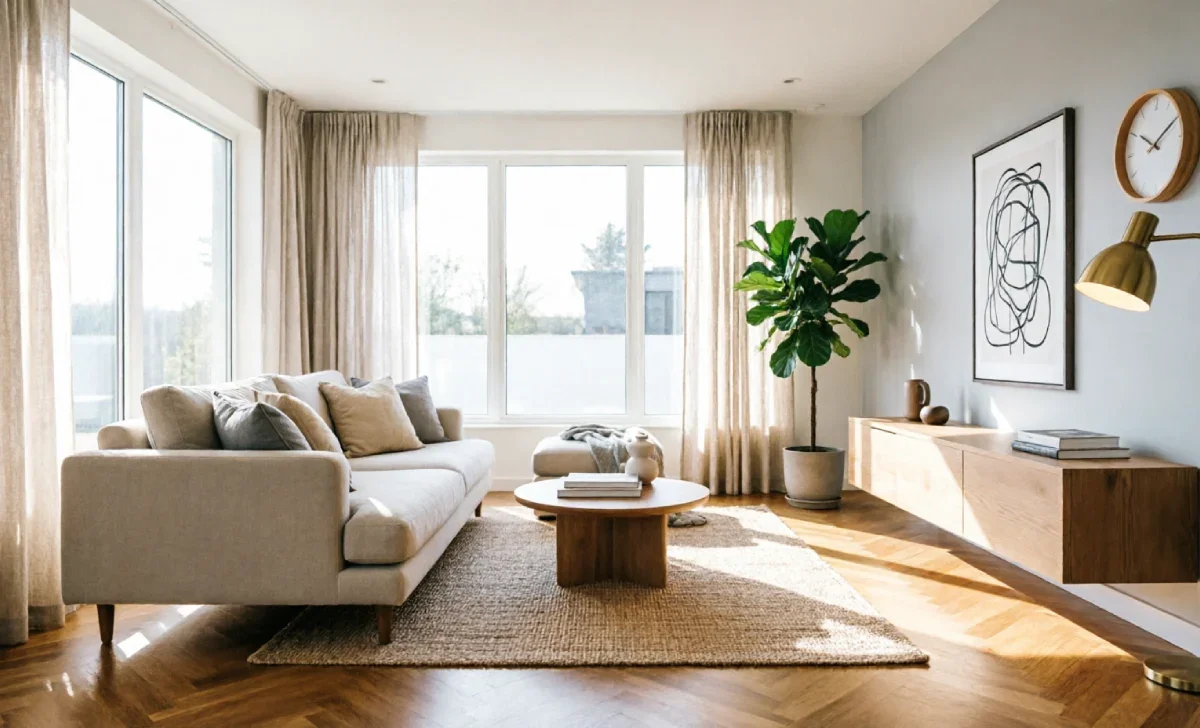
Home design is entering a warmer, more grounded era, and flooring is leading the change. In 2026, homeowners are moving away from cool, glossy finishes and turning toward natural textures, comforting tones, and surfaces built to handle real life. Whether you're renovating a single room or planning a whole-home refresh, understanding Modern Home Flooring Trends 2026 will help you choose flooring that feels current today and still looks great years from now. This guide breaks down the styles rising in popularity, the ones fading out, and practical tips for picking the right floor for every room in your house.
The Biggest Flooring Trends for 2026
1. Warm-Toned Wood Flooring
Cool grays are giving way to honey, caramel, chestnut, and natural oak shades. Warm wood tones instantly make a room feel cozy, welcoming, and lived-in rather than sterile. Both solid hardwood and engineered wood work well in this look, with engineered options offering better stability in humid climates. Warm-toned wood shines in living rooms, bedrooms, and open-concept spaces where a soft, inviting atmosphere matters most.
2. Herringbone, Chevron, and Parquet Patterns
Patterned wood flooring is making a strong comeback. Herringbone remains a favorite for its classic, tailored look, while chevron offers a sharper, more directional angle for a modern edge. Parquet bridges the gap between traditional charm and contemporary design. These patterns work beautifully in entryways, kitchens, and dining areas, where they add visual interest without overwhelming the space. The key is to use patterned flooring strategically, in one or two statement areas rather than throughout the entire home.
3. Large-Format and Stone-Look Tiles
Bigger tiles mean fewer grout lines, a cleaner look, and easier maintenance. Large-format tiles are especially popular in bathrooms, kitchens, and mudrooms, where seamless surfaces feel more polished. Warm beige, taupe, and creamy tones dominate this trend, often mimicking the natural texture and veining of stone without the higher cost or upkeep.
4. Soft Matte and Natural Finishes
High-gloss floors are losing favor as homeowners embrace soft matte and natural finishes instead. Matte engineered hardwood highlights natural wood grain and texture rather than shine, giving floors a more organic, understated appeal. Beyond aesthetics, matte finishes also hide scuffs, dust, and footprints far better than glossy surfaces, making them a practical everyday choice.
5. Statement and Patterned Flooring
Flooring is increasingly being treated as a design feature rather than a background element. Graphic tiles, patterned carpet, and dark hardwood are showing up in powder rooms, laundry rooms, home offices, and entryways to create memorable first impressions. To keep statement floors from feeling overwhelming, pair them with neutral walls and simple furnishings that let the flooring take center stage.
6. Wide-Plank Flooring and Expansive Designs
Wide-plank hardwood and large-format porcelain tiles continue gaining ground because they create fewer seams and a more continuous, uninterrupted visual flow. This is especially valuable in open-concept homes, where wide planks help spaces feel larger, more cohesive, and less visually busy compared to narrow, traditional boards.
7. Sustainable and Natural Flooring Materials
Eco-conscious choices are becoming a bigger priority for homeowners in 2026. Engineered hardwood, cork, laminate, and wool carpet are all gaining traction as sustainable alternatives to conventional materials. Low-VOC flooring is also in demand for healthier indoor air quality. For those who already have hardwood floors, refinishing existing wood instead of replacing it is one of the most sustainable upgrades available.
8. Waterproof and Ultra-Durable Flooring
Busy households need flooring that can keep up. Waterproof luxury vinyl plank (LVP) and modern laminate are top choices for kitchens, bathrooms, basements, laundry rooms, and mudrooms, where spills and moisture are a daily reality. These materials also offer strong scratch resistance, making them ideal for homes with heavy foot traffic and everyday wear and tear.
9. Lifestyle-Focused Flooring
More homeowners are choosing flooring based on how they actually live, not just how a floor looks in photos. Families with young children need durable, easy-to-clean surfaces. Pet owners need scratch- and stain-resistant materials. High-traffic homes benefit from tougher finishes, while remote workers increasingly value flooring that helps with sound control in home offices.
Flooring Trends That Are Going Out in 2026
Cool Gray Flooring – Once dominant, gray floors are losing popularity as warm browns, honey tones, and soft neutrals take over for a cozier feel.
High-Gloss Flooring – Glossy finishes are seen as less practical since they show scratches, dust, and footprints more easily than matte or soft-sheen alternatives.
Small, High-Gloss Marble Tiles – Small tiles in rigid grid layouts feel dated next to large-format tiles and natural-texture finishes.
Overly Plain or Overly Busy Tile Patterns – Homeowners are seeking balance. Classic tile still works in the right setting, but patterned flooring should be used strategically rather than everywhere.
LVP vs Laminate: Which Flooring Is Better for 2026?
Both LVP and laminate remain popular, but they suit different needs. LVP offers superior waterproof performance, making it ideal for kitchens, bathrooms, and basements. Laminate, while more moisture-resistant than older versions, still isn't fully waterproof in most cases. In terms of scratch resistance, both hold up well, though LVP tends to be slightly more durable underfoot and offers a softer, warmer feel. Laminate is often more budget-friendly, while LVP provides better long-term value in wet-prone areas. For busy households with kids or pets, LVP is generally the stronger choice, while laminate remains a solid option for lower-moisture spaces like bedrooms and living rooms.
How to Choose the Right 2026 Flooring Trend for Your Home
- Consider the function of each room before choosing a material
- Factor in children and pets when prioritizing durability
- Account for moisture exposure in kitchens, bathrooms, and basements
- Match flooring tones with the room's natural lighting
- Think realistically about maintenance requirements
- Prioritize long-term durability over short-lived trends
Quick Guide to the Best Flooring Trends by Room
| Room | Recommended Flooring Trends |
|---|---|
| Living Room | Warm hardwood, wide planks |
| Bedroom | Engineered hardwood, wall-to-wall carpet |
| Kitchen | Waterproof LVP, large-format tile |
| Bathroom | Stone-look large-format tile |
| Entryway | Herringbone, statement tile |
| Laundry Room | Waterproof flooring |
| Mudroom | Durable LVP or tile |
| Home Office | Comfortable, sound-conscious flooring |
Final Thoughts on 2026 Flooring Trends
Warmth and natural materials are clearly defining this year's flooring choices, but durability matters just as much as appearance. The best flooring trend isn't necessarily the most fashionable one; it's the one that matches your household's lifestyle, budget, and daily demands. As you plan your next flooring project, weigh both design appeal and long-term performance to make a choice you'll be happy with for years to come.
FAQs About Flooring Trends 2026
What flooring is trending in 2026?
Warm-toned wood, herringbone patterns, large-format stone-look tiles, matte finishes, and waterproof LVP are among the top trends this year.
Are gray floors still popular in 2026?
No, gray flooring is declining in popularity as homeowners shift toward warmer browns, honey tones, and soft natural neutrals.
Is LVP still a good flooring choice in 2026?
Yes, waterproof LVP remains one of the most practical choices for kitchens, bathrooms, and high-traffic areas thanks to its durability and moisture resistance.
What flooring is best for busy households?
Waterproof LVP and durable laminate are ideal for busy households since they resist scratches, spills, and everyday wear.
Is herringbone flooring still in style?
Yes, herringbone continues to be a popular choice, especially in entryways, kitchens, and dining areas where a patterned statement floor adds character.