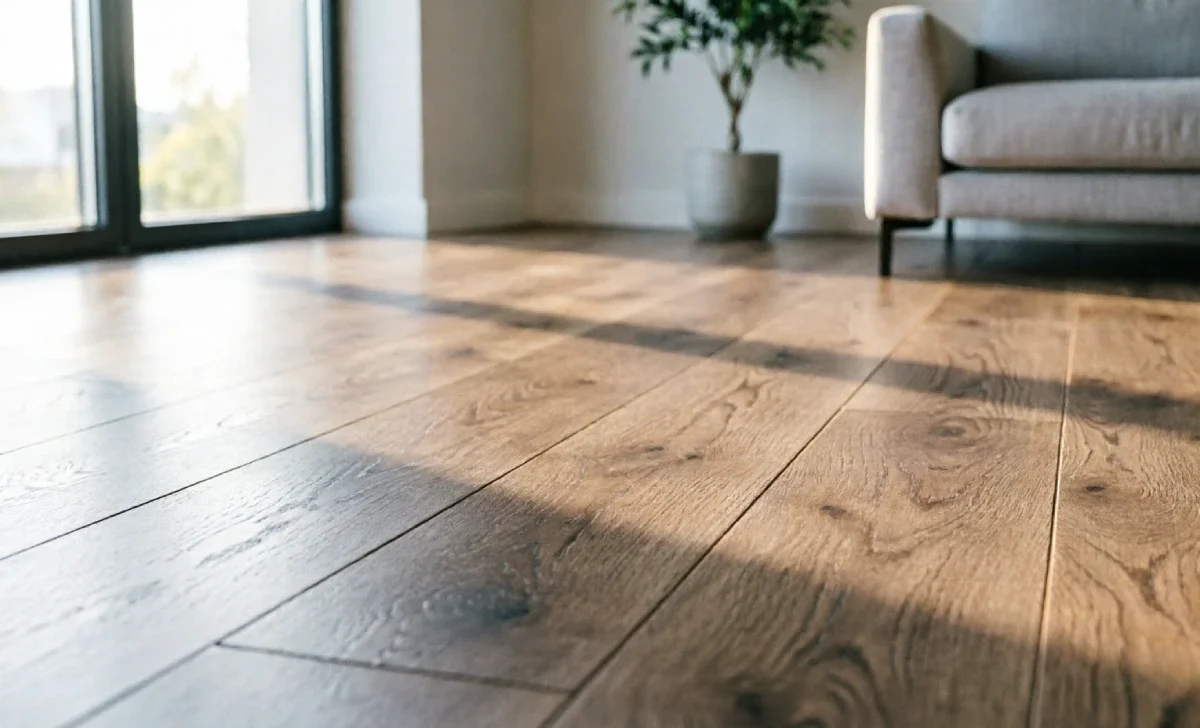
If you're renovating your home and weighing your flooring options, one of the first questions you're probably asking is: how long does vinyl flooring last? On average, vinyl flooring lasts anywhere from 10 to 25+ years, depending on the type of vinyl you choose, the quality of the product, how well it's installed, how much daily traffic it sees, and how consistently it's maintained. This Vinyl Flooring Lifespan Guide breaks down the lifespan of different vinyl flooring types, the key factors that influence durability, practical tips to extend the life of your floor, and the clearest signs that it's time for a replacement.
What Is Vinyl Flooring?
Vinyl flooring is a synthetic flooring material known for its durability, water resistance, affordability, and design flexibility. It's a popular choice for homeowners because it holds up well in high-moisture and high-traffic areas while still offering a wide range of styles. Modern vinyl flooring has come a long way from its basic beginnings — today's products can convincingly replicate the look of hardwood, natural stone, and ceramic tile, giving homeowners premium aesthetics at a fraction of the cost.
Understanding the Layers of Vinyl Flooring
Vinyl flooring is built in layers, and each one plays a role in its overall performance:
- Wear layer – the protective top layer that shields against scratches, stains, and everyday wear
- Printed design layer – the layer that gives vinyl its wood-, stone-, or tile-inspired appearance
- Core layer – provides structural stability and impact resistance
- Backing layer – adds cushioning, stability, and sometimes moisture resistance
What Is the Wear Layer?
The wear layer is arguably the most important factor in determining how long your vinyl flooring will last. Its thickness is typically measured in mils, and thicker wear layers generally provide better protection against scratches, scuffs, and everyday wear and tear. If you're shopping for vinyl flooring for a busy household, checking the wear layer thickness should be one of the first things you do.
How Long Does Vinyl Flooring Last?
There's no single answer that applies to every vinyl floor, because lifespan depends heavily on product quality, installation, usage patterns, and maintenance habits. That said, most vinyl flooring falls somewhere between 10 and 25+ years of usable life.
Average Lifespan of Different Vinyl Flooring Types
| Vinyl Flooring Type | Expected Lifespan |
|---|---|
| Sheet Vinyl | 10–20 years |
| Standard Vinyl Tile | 10–15 years |
| Luxury Vinyl Plank (LVP) | 15–25 years |
| Luxury Vinyl Tile (LVT) | 20–30 years |
How Long Does Luxury Vinyl Flooring Last?
Luxury vinyl — whether in plank (LVP) or tile (LVT) form — tends to outlast standard vinyl products. This comes down to construction: luxury vinyl typically features a thicker wear layer and a more rigid core (such as SPC or WPC), which makes it more resistant to dents, moisture, and daily wear. If longevity is your top priority, luxury vinyl is generally the smarter long-term choice compared to basic sheet or tile vinyl.
What Factors Affect How Long Vinyl Flooring Lasts?
Vinyl Flooring Quality
Higher-quality vinyl products use better raw materials and construction techniques. This typically translates into thicker wear layers and stronger resistance to scratches, dents, stains, and peeling over time.
Wear Layer Thickness
As mentioned earlier, wear layer thickness (measured in mils) is a major durability indicator. Thinner wear layers may be fine for low-traffic residential spaces, but high-traffic areas or commercial applications call for thicker wear layers to avoid premature wear.
Installation Quality
Even the best vinyl flooring won't last if it's installed poorly. Proper subfloor preparation, correct leveling, and using the right adhesive for glue-down installations all matter. Poor installation can lead to bubbling, lifting, or uneven wear much sooner than expected.
Foot Traffic and Daily Use
High-traffic zones like kitchens and entryways naturally experience more wear. Households with children and pets, frequent furniture movement, and tracked-in dirt and grit can all accelerate surface damage over time.
Sunlight and UV Exposure
Prolonged sun exposure can cause vinyl flooring to fade or discolor. Using blinds, curtains, or UV-blocking window films can help protect your floor's color and finish, especially in rooms with large windows.
Moisture and Water Exposure
It's important to understand the difference between water-resistant and fully waterproof vinyl. Even water-resistant products can develop problems around seams and edges if exposed to standing water for too long. For moisture-prone areas like bathrooms and basements, SPC (stone plastic composite) and WPC (wood plastic composite) vinyl flooring offer stronger protection.
How to Make Vinyl Flooring Last Longer
A few consistent habits can significantly extend the life of your vinyl flooring:
- Clean and sweep regularly to remove dust, dirt, and grit before they scratch the surface
- Protect floors from furniture by using felt pads and avoiding dragging heavy items
- Clean spills immediately to prevent staining and moisture-related damage
- Use doormats at entry points to reduce the amount of dirt and grit tracked indoors
- Avoid harsh cleaning products and stick to cleaners specifically recommended for vinyl
- Protect floors from uneven wear by rotating furniture occasionally to avoid prolonged pressure in one spot
Signs Your Vinyl Flooring Needs to Be Replaced
Even well-maintained vinyl flooring eventually reaches the end of its useful life. Watch for these warning signs:
- Deep scratches, tears, or dents that affect the surface structurally
- Fading or discoloration, especially in sun-exposed areas
- Peeling or lifting edges, often a sign of moisture damage or installation issues
- Permanent stains that no longer respond to cleaning
- Loss of surface texture or shine, making the floor look dull or worn
- When repair is no longer cost-effective, meaning ongoing patch fixes cost more than a full replacement over time
Vinyl Flooring vs. Other Flooring: Which Lasts Longer?
| Flooring Type | Average Lifespan |
|---|---|
| Vinyl | 10–25+ years |
| Hardwood | 20–100 years |
| Laminate | 10–30 years |
| Tile | 20–50+ years |
| Carpet | 5–15 years |
While materials like hardwood and tile can technically outlast vinyl, that doesn't make vinyl a lesser option. Vinyl flooring remains a highly attractive choice thanks to its low-maintenance nature, water resistance, and significantly lower upfront cost — making it a practical long-term investment for many homeowners.
Is Vinyl Flooring a Good Long-Term Investment?
When you factor in durability relative to cost, vinyl flooring holds up very well. It's especially well-suited for busy households that need flooring capable of withstanding daily wear without constant upkeep. Vinyl performs particularly well in kitchens, bathrooms, basements, and other moisture-prone spaces where many other flooring types struggle. That said, the real value you get from vinyl flooring depends heavily on proper installation and consistent maintenance — cutting corners in either area can shorten its lifespan considerably.
Frequently Asked Questions About Vinyl Flooring
How long do vinyl planks really last?
Luxury vinyl planks typically last between 15 and 25 years, depending on quality, installation, and how well they're maintained.
Does luxury vinyl flooring last longer than standard vinyl?
Yes. Luxury vinyl generally features a thicker wear layer and more durable core construction, allowing it to outlast standard sheet or tile vinyl.
Can vinyl flooring be refinished or repaired?
Vinyl flooring generally can't be refinished the way hardwood can, but individual planks or tiles can often be replaced, and minor scratches can sometimes be buffed out.
Is vinyl flooring a good long-term investment?
Yes, particularly for busy households and moisture-prone rooms, as long as it's properly installed and maintained.
What is the most durable type of vinyl flooring?
Luxury Vinyl Tile (LVT) with a thick wear layer and rigid core tends to offer the greatest durability among vinyl options.
Is SPC or WPC vinyl better for durability?
SPC generally offers greater rigidity and moisture resistance, making it a strong choice for high-traffic or moisture-prone areas, while WPC offers more cushioning and comfort underfoot.
Final Verdict: How Long Can Vinyl Flooring Really Last?
In short, vinyl flooring typically lasts between 10 and 25+ years, with premium luxury vinyl products capable of reaching the higher end of that range — or beyond — under the right conditions. The biggest factors determining how long your floor will last come down to product quality, wear layer thickness, installation quality, foot traffic, and ongoing maintenance. For homeowners choosing vinyl flooring, investing in a higher-quality product with a thicker wear layer, ensuring professional installation, and following simple maintenance habits will go a long way toward maximizing the lifespan of your floor.