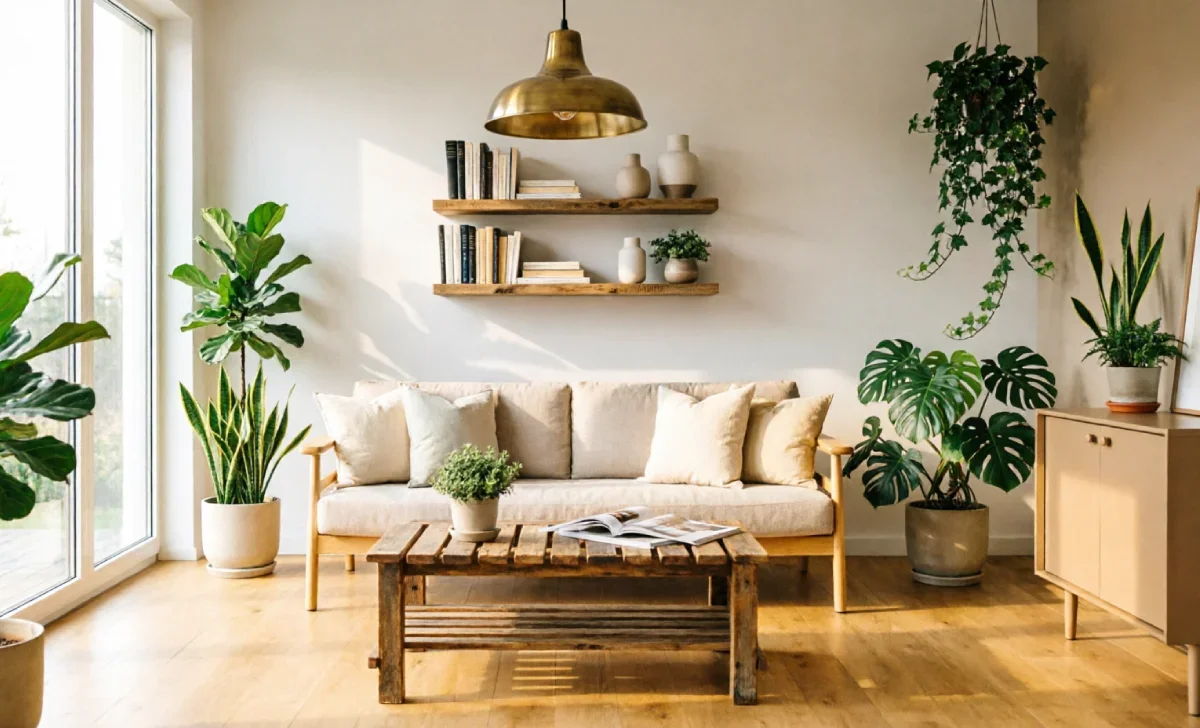
Picking floors used to mean choosing a color. Now it means reading labels like a chemist. Eco-Friendly Flooring Materials 2026 is the search everyone's running, because homeowners want floors that look sharp and don't wreck the planet. If you're weighing hardwood versus engineered wood as a starting point, you're already asking the right question. This guide skips the fluff and gets into what's genuinely sustainable versus what's just dressed up in green packaging, room by room, material by material.
What Actually Makes Flooring Sustainable
Sustainability isn't one box you check. It's sourcing, manufacturing, durability, and what happens when the floor's done. A material can be renewable but still shipped across the planet, soaked in glue nobody wants to breathe. That's the trap a lot of buyers fall into without realizing it.
Real Eco-Friendly Flooring Materials 2026 buyers should look past the word "natural" on the box. Ask where it came from, how it was made, and how long it'll actually last in your house. Durability is sustainability too — a floor you replace every five years isn't green, no matter what it's made of, no matter how good the packaging looks.
Certifications help cut through the noise. FSC tells you the wood came from responsibly managed forests. FloorScore and GREENGUARD flag low chemical emissions. These aren't marketing badges — they're the receipts that prove a company did the work instead of just talking about it.
Manufacturing matters just as much as the raw material. A factory running on clean energy with minimal waste output changes the entire footprint of a product, even before it reaches your home. Ask suppliers about this directly if it's not listed anywhere on the packaging.
Best Eco-Friendly Flooring Materials 2026 Options
Here's where the shortlist actually starts. These are the materials worth your time this year.
Bamboo grows fast and regenerates without replanting, which makes it a genuine renewable pick. It's tough underfoot and handles busy rooms well, though quality swings hard between brands — cheap bamboo warps, good bamboo lasts decades without complaint.
Cork comes from tree bark, not the tree itself, so harvesting doesn't kill anything. It's soft, warm, and naturally resists mold. Bedrooms and home offices love it. High heels and heavy furniture, less so, so plan accordingly.
Reclaimed wood pulls character from old barns, factories, and warehouses instead of cutting fresh trees. Every plank has a story and a scar. It's pricier upfront but skips the environmental cost of new lumber entirely, which matters more than most buyers realize.
Natural linoleum — the real stuff, made from linseed oil and cork dust — is biodegradable and holds color for years. Don't confuse it with vinyl; that's a different animal with a very different environmental footprint.
Recycled glass tile and recycled rubber flooring turn waste into something usable. Glass tile brings a shine that porcelain can't match. Rubber handles gyms, basements, and kids' playrooms without flinching, even under constant abuse.
Engineered hardwood, when built with FSC-certified layers and low-VOC adhesives, stretches real wood further using less raw material per plank. It's a smart middle ground for people who want hardwood looks on a tighter budget without sacrificing sustainability entirely.
Natural stone, like slate or limestone, lasts generations when sourced locally. It skips synthetic processing altogether, though the weight and cost can rule it out for upper floors or smaller budgets.
Real Sustainability vs Greenwashing
Not every "eco" label earns its keep. Vinyl flooring gets marketed as sustainable sometimes, but it's petroleum-based and doesn't biodegrade. That's not a small detail — that's the whole point missed entirely by the marketing.
Bamboo can also mislead buyers. The plant itself is renewable, but some manufacturers use formaldehyde-heavy adhesives to bind it together. Check for low-VOC certification before trusting the bamboo label alone, since packaging rarely mentions the glue.
The honest test for Eco-Friendly Flooring Materials 2026 is simple: renewable source, clean manufacturing, long lifespan, and a real end-of-life plan. If a product skips two of those, it's marketing, not sustainability, and it's worth walking away from.
Choosing Flooring by Room
Different rooms need different floors. Moisture, foot traffic, and comfort all shift what actually works best in each space around your house.
| Room | Best Eco Option | Why It Works |
|---|---|---|
| Bedroom | Cork | Soft, warm, quiet underfoot |
| Living Room | Reclaimed wood | Durable, full of character |
| Kitchen | Recycled glass tile | Handles spills and heat |
| Bathroom | Recycled rubber | Water-resistant, non-slip |
| Home Office | Engineered hardwood | Stable, low-VOC, long-lasting |
| Basement | Recycled rubber or cork | Moisture-tolerant, cushioned |
Kitchens and bathrooms need water resistance above everything else. Bedrooms and offices can prioritize comfort and quiet since they see lighter daily traffic and less spilled coffee.
Living rooms take the most abuse from feet, pets, and furniture, so durability should outrank appearance when narrowing down the shortlist.
Installation and Lifespan Matter Too
Sustainability doesn't stop at the material. How it's installed and how long it survives count just as much toward the final footprint. A gorgeous eco floor ruined by bad adhesive isn't doing anyone favors.
Low-VOC adhesives and proper subfloor prep extend a floor's life significantly. If you're tackling this yourself, our DIY vinyl flooring installation guide walks through prep steps that apply to most floating floor types, eco or not.
Maintenance matters here too. Bamboo and cork need occasional resealing. Reclaimed wood might need refinishing every decade. None of this is hard — it just needs a plan before installation day, not after the boxes are already open.
Budget for maintenance the same way you budget for the floor itself. A cheap install with no upkeep plan usually costs more over ten years than a pricier one done right from the start.
Cost and Long-Term Value
Upfront price tells only part of the story. A cheaper floor that needs replacing in six years costs more than a pricier one that lasts twenty, even before you factor in the waste it creates.
Bamboo and natural linoleum usually sit closest to standard flooring prices, making them the easiest entry point for budget-conscious buyers who still want genuine sustainability. Reclaimed wood and natural stone sit at the top end, but both can outlast the house itself if maintained properly.
Think of Eco-Friendly Flooring Materials 2026 as a long-term investment rather than a one-time purchase. Factor in resealing, refinishing, and eventual replacement when comparing prices across materials, not just the sticker price at checkout.
Frequently Asked Questions
Is bamboo flooring actually eco-friendly?
Yes, when it's low-VOC certified and sourced from responsible growers. Check the adhesive, not just the plant itself.
What's the most durable eco-friendly flooring for pets?
Recycled rubber and engineered hardwood both hold up well against claws, spills, and everyday chaos.
Does eco-friendly flooring cost more?
Sometimes, especially reclaimed wood. Bamboo and linoleum often land close to standard flooring prices at most retailers.
Can eco-friendly flooring go in bathrooms?
Cork and rubber both tolerate moisture well, but proper sealing is non-negotiable in wet rooms year-round.
Making the Final Call
There's no single "best" material here — just the best fit for your room, budget, and how hard that floor gets used daily. Eco-Friendly Flooring Materials 2026 isn't about picking the trendiest option online.
It's about matching real sustainability credentials to real household needs. Bamboo for busy rooms, cork for comfort, reclaimed wood for character, recycled materials for high-moisture spaces around the home.
Whatever you choose, protect the investment. Water damage is the fastest way to undo years of good flooring decisions, so it's worth knowing how to repair wood flooring water damage before you ever need it.
Good flooring choices in 2026 come down to homework, not hype. Read the certifications, ask about adhesives, and pick what actually fits your home and your life.