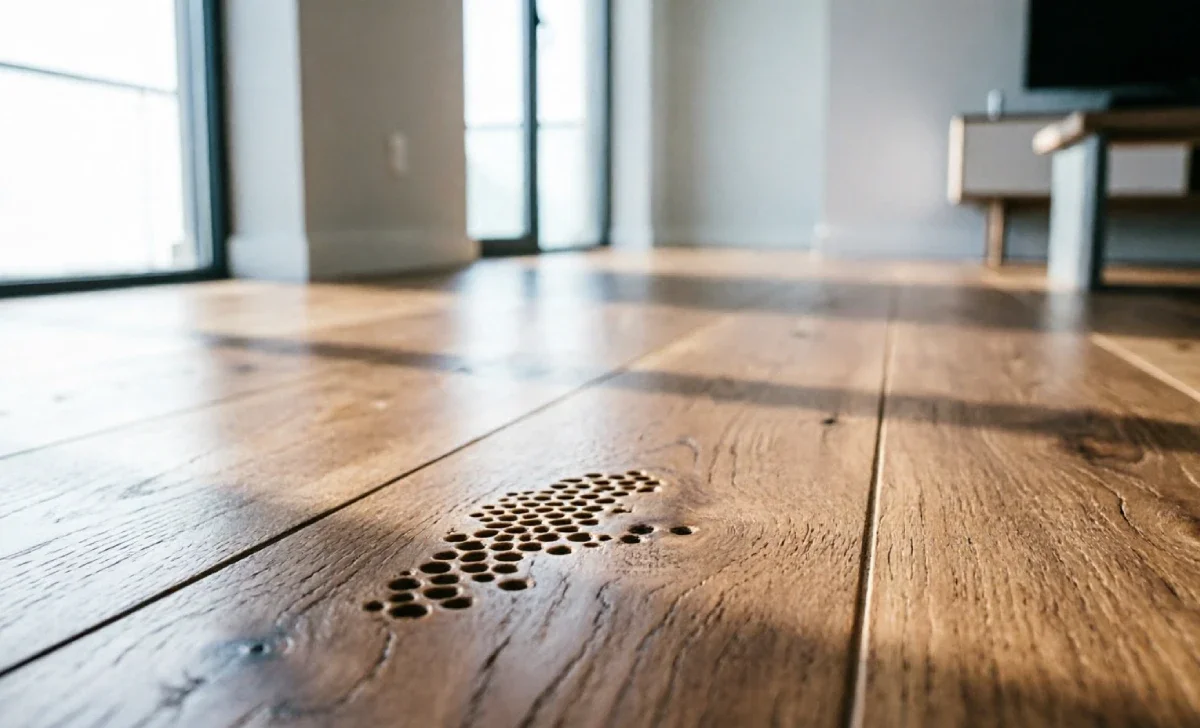
Cork flooring is trending again, and it's easy to see why. People are increasingly looking for materials that feel comfortable underfoot, support sustainability goals, and still look good in a modern home. Cork checks all three boxes, but like every flooring material, it comes with trade-offs worth understanding before you commit.
Choosing flooring isn't just about appearance — it's a decision tied to daily lifestyle, family members, pets, and how a room actually gets used. Cork is particularly appealing to people who prefer natural materials and who spend long stretches standing on their floors, such as in a kitchen or home office.
This guide covers cork flooring's pros, cons, cost, installation, maintenance, and the questions homeowners ask most often, so you can make an informed decision in 2026.
What Is Cork Flooring?
Cork flooring is made from the bark of the cork oak tree (Quercus suber). The tree doesn't need to be cut down — the bark is harvested and regrows over time, which is why cork is widely regarded as a sustainable material. During manufacturing, cork is compressed into tiles or planks and then sealed or finished for use as flooring.
Cork's natural cellular structure is what makes it unique. Every cubic centimeter contains millions of tiny air pockets, giving it a soft feel, lightweight, and natural insulating properties.
Pros of Cork Flooring
Comfort and Cushioning: Cork feels soft to walk on, which makes a real difference for anyone who stands for long periods, such as while cooking.
Thermal and Sound Insulation: Cork naturally retains warmth, so floors stay comfortable in colder months. It also absorbs sound, which is useful in apartments or multi-story homes.
Eco-Friendly Choice: Since harvesting doesn't harm the tree, cork counts as a renewable resource. It's also biodegradable at the end of its life.
Hypoallergenic Properties: Cork naturally resists dust mites and mold, making it a solid choice for allergy-prone households.
Design Variety: Cork now comes in planks, tiles, and even wood-look or stone-look finishes, giving homeowners real flexibility in design.
Cons of Cork Flooring
Scratches and Dents: Cork is soft, so heavy furniture or pet nails can leave marks over time.
Moisture Sensitivity: Without proper sealing, cork can absorb water and swell. Extra caution is needed in bathrooms or other high-moisture areas.
Sunlight Fading: Extended direct sunlight exposure can fade cork's color, so west-facing rooms benefit from curtains or a UV-protective coating.
Maintenance Requirements: Resealing every few years is necessary to keep the floor's protective layer intact.
Types of Cork Flooring
There are generally three types available on the market:
- Glue-Down Cork Tiles: Adhered directly to the subfloor, offering a stable and durable option.
- Floating Cork Planks: Feature a click-lock system that makes installation easier and more DIY-friendly.
- Cork Veneer Over Plywood: A thin cork layer bonded to plywood — a more budget-friendly option, though less durable long-term.
Each type comes with its own price range and installation method, so the right choice depends on budget and how the room will be used. Homeowners renovating a single room often lean toward floating planks for the easier install, while those doing whole-house flooring sometimes prefer glue-down tiles for the extra stability over time.
Cork Flooring Cost in 2026
Cork flooring cost varies based on material quality, thickness, and finish. Basic floating planks sit at the lower end of the price range, while premium glue-down tiles or designer finishes cost more. Installation cost also depends on labor rates and room size. Overall, cork tends to be cheaper than hardwood but somewhat pricier than basic vinyl.
Additional costs can include underlayment, sealing, and trim work, so factor these in when getting quotes from installers.
Installation Process
Cork flooring is typically installed one of two ways: glue-down or floating (click-lock). The floating system is easier for beginners since planks simply lock together without needing adhesive on the subfloor. The glue-down method creates a more permanent installation but is generally best left to professionals.
Before installation, the subfloor needs to be level and completely dry — otherwise, moisture can get trapped underneath the cork and cause damage later.
DIY installation is realistic with floating planks if you have basic tools and some patience, but larger rooms or irregular layouts are usually better handled by a professional installer. This keeps the fit tight and avoids gaps or squeaking down the line.
Maintenance Tips
A few simple habits go a long way toward keeping cork flooring in good condition for years. Most of these are quick daily or weekly tasks rather than major upkeep, which is part of why cork appeals to busy households:
- Use a soft broom or dry mop for everyday cleaning.
- Wipe up spills immediately — don't let water sit on the floor.
- Add felt pads under heavy furniture to prevent dents.
- Reseal the floor every 3–5 years.
- Use blinds or UV-protective window film to limit direct sunlight exposure.
Cork vs Hardwood vs Vinyl
Compared to hardwood, cork feels softer and warmer underfoot but is more prone to scratching. Compared to vinyl, cork is more eco-friendly and comfortable, though vinyl generally performs better when it comes to waterproofing. Each material suits a different priority — cork for comfort and sustainability, vinyl for waterproofing, and hardwood for resale value and a classic look. Homeowners choosing between the three often end up mixing materials by room, for example, cork in a living room or bedroom and vinyl in a bathroom or laundry area where moisture is a bigger concern.
Frequently Asked Questions
Is cork flooring waterproof?
Cork is naturally water-resistant thanks to its cellular structure, but it isn't fully waterproof. Without proper sealant, standing water can cause cork to swell or become damaged, so extra sealing is important in areas like kitchens and bathrooms.
Is cork flooring good for pets?
Cork is a comfortable surface for pets since it's soft and warm and puts less strain on their joints. However, pets with long or sharp nails can leave scratches, so keeping nails trimmed regularly helps protect the floor.
How long does cork flooring last?
With good maintenance, cork flooring can last 25 to 40 years. Its lifespan depends largely on installation quality, foot traffic, and how consistently it gets resealed.
Is cork flooring easy to clean?
Yes, cork is easy to maintain. Regular sweeping or dry mopping is usually enough, and occasional damp mopping is fine as long as the floor is properly sealed. Harsh chemicals and excess water should be avoided.
How much does cork flooring cost?
Cork flooring cost varies depending on material grade, thickness, and installation method. Floating planks tend to be more affordable, while premium glue-down tiles cost more. When budgeting, remember to include underlayment and sealing costs alongside the flooring itself.
Final Verdict
Cork flooring stands out for its comfort, insulation, and eco-friendly profile, making it a strong choice for anyone who wants a soft, warm floor underfoot. Its main drawbacks — scratching, moisture sensitivity, sunlight fading, and periodic maintenance — shouldn't be overlooked.
Buyers should weigh their room's conditions, lifestyle, and budget before deciding. Homes with pets or children will need extra care, and rooms that get a lot of direct sunlight will need UV protection factored in.
Cork flooring remains a strong option in 2026, but it's best chosen with a clear eye on moisture, sunlight, and traffic conditions in the specific room it's going into.