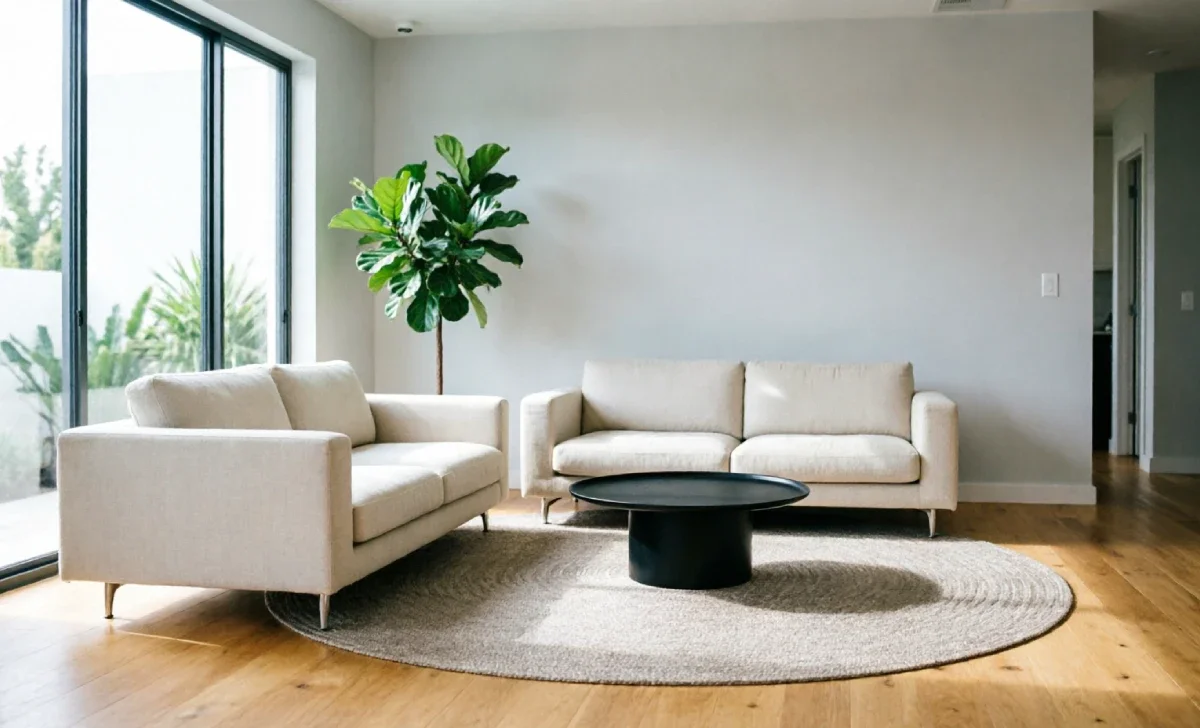
Your living room floor takes more daily wear than almost any other surface in your home. Kids run across it, pets scratch at it, guests walk on it in wet shoes, and furniture gets dragged over it more times than you can count. Picking the right material means balancing durability, comfort, style, and cost, and getting that balance wrong can mean an expensive redo within a few years.
This guide walks you through the best flooring for living room spaces, how to choose between them, and which type fits your household best. By the end, you will know exactly which flooring suits your space, your budget, and your lifestyle.
What Makes Flooring Right for a Living Room
Before you pick a material, think about how your living room actually gets used. A few factors matter more than the rest.
Durability comes first, since this room sees constant foot traffic every day. Comfort matters too, especially if you sit or lie on the floor with kids or pets. You also want something easy to clean, since spills and dust happen often in a shared living space.
Style ties everything together, so the flooring should match your home's overall look. Budget rounds out the list, since some materials cost far more to buy and install than others.
Top Flooring Options for Living Rooms
Hardwood Flooring
Hardwood gives a living room a timeless, natural look that few other materials can match. It feels warm underfoot and adds real value to your home over time.
You can choose solid wood or engineered wood, and each has its own strengths. Solid wood lasts for generations and can be refinished many times, while engineered wood handles humidity changes better and costs less upfront. Refinishing is one of hardwood's biggest advantages, since you can sand away scratches and stains instead of replacing the whole floor. Expect to pay more for hardwood than most other options, though the long lifespan often justifies the cost.
Luxury Vinyl Flooring
Luxury vinyl has become one of the most popular choices for busy households. It resists scratches, stains, and moisture far better than natural wood, which makes it a smart pick if you have kids or pets.
Cleaning is simple since most spills wipe up without leaving a mark. You can find luxury vinyl in wood, stone, or tile-look designs, so you get the appearance you want without the upkeep. It also costs less than hardwood or stone, making it a solid, budget-friendly option.
Laminate Flooring
Laminate offers a wood or stone look at a fraction of the price of the real thing. It handles high traffic well and resists scratches and fading better than many people expect.
Installation tends to be quick, and many laminate products click together without glue or nails. Maintenance stays simple too, since a regular sweep and occasional damp mop keeps it looking fresh. If you want the hardwood aesthetic without the hardwood price tag, laminate is worth a close look.
Carpet Flooring
Carpet brings softness and warmth that hard flooring simply cannot match. It feels comfortable underfoot, which makes it a favorite in family living rooms where people sit or play on the floor.
Look for hard-wearing carpet fibers if your living room sees heavy use, since some materials hold up to traffic better than others. Stain-resistant options are worth the extra cost if you have young kids or pets. Carpet also comes in a wide range of colors, patterns, and textures, so you can match almost any design style.
Tile Flooring
Tile stands out for its durability and easy cleaning. Ceramic and porcelain are the two main types, and porcelain tends to be denser and more resistant to moisture and wear.
A tile surface wipes clean in seconds, which makes it useful in living rooms that connect to kitchens or entryways. Wood-look tile designs give you a warm appearance while keeping the practical benefits of tile underneath. Adding an area rug over tile can soften the feel and add comfort where you sit most often.
Natural Stone Flooring
Natural stone brings a luxury look that few materials can replicate. Granite, limestone, travertine, slate, and marble each offer a distinct pattern and texture, so you can find a style that fits your space.
Stone holds up well to high traffic, though it needs regular sealing to resist stains and moisture damage. Some stone types feel slippery when wet, so check the finish before installing it in a busy living room. The cost runs high, but the appearance and durability make it a lasting investment.
Natural Fiber Flooring
Sisal, seagrass, and coir bring texture and a natural, earthy feel to a living room. These materials handle heavy traffic reasonably well and give a room an organic, grounded look.
They feel different underfoot than carpet or wood, so walking barefoot on natural fiber takes some getting used to. Households that want an eco-friendly, textured flooring option often turn to these materials.
Concrete and Resin Flooring
Concrete and resin fit modern, open-plan living rooms with a clean, minimal look. Both come in a range of colors and finishes, from matte to high-gloss.
Cleaning stays simple since neither material traps dust or stains easily. Rubber flooring offers a softer, more forgiving alternative if you like the modern look but want more cushion underfoot.
How to Choose the Best Flooring for Your Living Room
Start with your room's overall design style, since flooring should complement the rest of your home rather than fight against it. Room size and layout matter too, as lighter materials can make a small space feel larger.
Think about household traffic honestly. A home with children and pets needs tougher, more forgiving flooring than a quiet adult household. Cleaning habits, comfort preferences, and your available budget will narrow the list further until one or two options stand out.
What Is the Most Durable Flooring for a Living Room?
Porcelain and ceramic tile rank among the toughest options for a living room floor. Natural stone comes close behind, offering premium durability alongside its high-end look.
Hardwood holds an advantage that hard tile and stone do not: you can refinish it instead of replacing it when it shows wear. Always check the manufacturer's traffic rating before buying, since not every product within a category performs the same way.
Best Living Room Flooring for Different Needs
Families with kids and pets tend to do best with vinyl, laminate, or a durable carpet built for heavy use. If you want a luxury look, hardwood and natural stone deliver the strongest visual impact.
Budget-conscious homeowners usually land on laminate or vinyl, since both offer style without the higher price tag of wood or stone. For softness and warmth, carpet and natural fiber flooring are hard to beat. Modern interiors often lean toward concrete, resin, or rubber flooring for a sleek, contemporary finish.
Can You Use Underfloor Heating With Living Room Flooring?
Most flooring types work with underfloor heating, though some perform better than others. Stone, porcelain, and ceramic tile conduct heat efficiently and are common choices for heated floors.
Engineered wood, along with certain laminate and vinyl products, also works well with underfloor heating systems. Carpet can be used too, but check the TOG rating to make sure heat passes through properly. Solid wood needs extra care, so confirm compatibility with your supplier before installing it over a heated subfloor. Concrete, resin, and rubber all handle underfloor heating with few restrictions.
Final Verdict: Which Flooring Is Best for Your Living Room?
The best flooring for your living room depends on your lifestyle and budget more than any single "best" answer. Hardwood suits homeowners who want a timeless, natural style and are willing to pay for it. Vinyl offers practicality and affordability for busy households.
Laminate delivers the wood look at better value, while carpet wins on softness and comfort. Tile stands out for durability, and natural stone brings unmatched luxury. Concrete and resin fit contemporary spaces that favor a clean, minimal look. Weigh your household's needs against each option, and the right choice will be clear.
FAQs About Living Room Flooring
What is the best flooring for a living room?
There is no single best option for every home. Hardwood suits style and value, vinyl and laminate suit busy households, and carpet suits comfort-focused spaces.
What is the most durable flooring for a living room?
Porcelain and ceramic tile rank among the most durable choices, with natural stone close behind. Both hold up well to daily foot traffic.
Is vinyl or laminate better for a living room?
Vinyl resists moisture and stains better, making it a stronger pick for households with kids or pets. Laminate offers a closer wood look at a similar price point.
Is hardwood flooring good for living rooms?
Yes, hardwood works well in living rooms and adds long-term value to a home. It can also be refinished multiple times instead of replaced.
Which living room flooring is easiest to maintain?
Luxury vinyl and tile are among the easiest to maintain, since both wipe clean quickly and resist stains. Carpet requires more regular vacuuming and occasional deep cleaning.