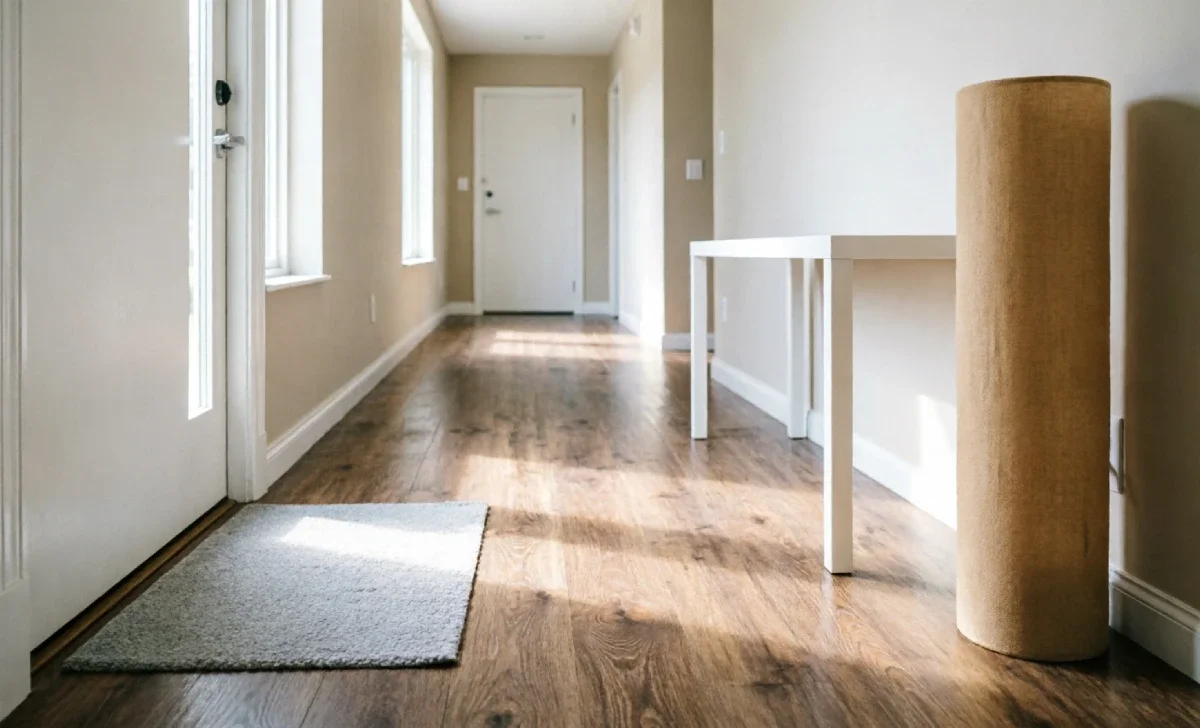
Your hallway floor takes more punishment in a month than your bedroom floor takes in a year. The best flooring for high-traffic areas is any surface built to handle that daily wear without cracking, scratching, or fading fast.
Hallways, entryways, kitchens, living rooms, mudrooms, and commercial spaces all face constant footsteps, moisture, and grit. Picking a floor for looks alone sets you up for early repairs. You need durability, moisture resistance, and easy maintenance working together.
This guide covers what to look for, the best flooring types for 2026, and how to match a floor to your rooms. By the end, you will know which option fits your home, budget, and traffic level.
What to Look for in High-Traffic Flooring
Durability and Wear Resistance
Your floor needs to handle scratches, dents, and scuffs from daily use. Pets, kids, furniture, and rolling chairs all add stress over time. For vinyl, check the wear-layer thickness. For laminate, check the AC rating. Both numbers tell you how much abuse the surface can take before it shows.
Moisture and Water Resistance
Entryways, kitchens, and mudrooms deal with wet shoes, spills, and tracked-in rain constantly. Waterproof flooring and water-resistant flooring are not the same thing. Waterproof means standing water will not damage the core. Water-resistant only buys you time before moisture gets in. For wet areas, prioritize porcelain tile or waterproof LVP and SPC.
Easy Maintenance and Safety
You want a floor that wipes clean fast without special tools or long routines. Low-maintenance surfaces save you time now and money later. Slip resistance matters too, especially in entryways and kitchens where wet floors are common. A glossy finish might look great in photos, but it can turn dangerous the moment it gets wet, so look for texture built for grip.
Comfort, Noise, and Long-Term Value
Hard surfaces like tile and concrete feel cold and tire your feet over long stretches. Softer options like LVP and laminate cushion footsteps and cut down on noise. Matte and textured finishes also hide everyday wear better than high-gloss surfaces. Finally, weigh upfront cost against lifespan. A cheap floor that needs replacing in five years often costs more than a pricier one that lasts fifteen.
Best Flooring Options for 2026
Luxury Vinyl Plank (LVP) and Rigid-Core SPC
LVP and SPC give most homes the best overall balance of durability, comfort, and maintenance. Both are waterproof, which makes them a strong fit for moisture-prone rooms. Their scratch-resistant wear layers hold up well against pets and kids, and they come in wood, stone, and tile-look designs that mimic natural materials closely.
SPC, or rigid-core flooring, adds extra dent resistance and structural stability. For genuinely high-traffic use, look for a thicker wear layer; current flooring guides commonly recommend 20 mil or higher for heavy-use applications. The main limitations are direct sunlight exposure, heavy point loads, and lower-quality products that skip the thicker wear layer.
Porcelain Tile
Porcelain tile is the leading option when durability is your top priority. It resists scratches, moisture, and fading better than almost any other flooring type, which makes it ideal for entryways, kitchens, bathrooms, and commercial spaces.
Check the PEI rating before buying, since it tells you how much foot traffic a specific tile can handle. Porcelain also comes in nearly unlimited colors, patterns, sizes, and finishes. The main drawbacks are a hard, cold feel underfoot and higher installation requirements, including a properly leveled subfloor and professional installation.
High-Quality Laminate Flooring
Laminate remains the most budget-friendly high-traffic option. A tough wear layer combined with realistic wood or stone designs gives you a durable, good-looking floor without the tile price tag.
The AC rating tells you how much wear a laminate product can handle. For 2026, choose AC4 or higher for high-traffic residential areas. Click-lock installation also makes laminate a solid DIY option. Newer water-resistant laminates have improved moisture handling, but performance varies by product, and standard laminate is not appropriate where standing water is a regular risk.
Natural Stone Flooring
Slate, granite, and travertine offer exceptional strength and long lifespans. Stone works well in entryways, kitchens, and premium spaces where you want a striking, upscale look. Proper sealing is essential for stain and moisture protection, and stone comes with higher costs, but the appearance and long-term value can justify the investment.
Engineered Hardwood
Engineered hardwood gives you the natural look of real wood with better dimensional stability than solid hardwood. It works well in high-traffic living rooms, hallways, and open-plan areas. A quality finish and a harder wood species extend its lifespan, and refinishing potential adds long-term value. It is less suitable than LVP or tile for moisture-prone spaces.
Polished Concrete and Commercial Options
Polished concrete is extremely durable, low-maintenance, and suits modern homes and commercial spaces, though it feels hard and cold underfoot and depends on your slab condition. For very heavy commercial traffic, commercial vinyl and carpet tile are worth considering too. Carpet tile has one specific advantage: you can replace damaged individual sections instead of the whole floor.
Best Flooring by Room
Entryways and mudrooms need porcelain tile or waterproof LVP and SPC, since moisture, grit, and dirt hit hardest right at the door. Hallways do well with LVP, SPC, AC4+ laminate, or porcelain tile, since these narrow pathways need serious wear resistance. Kitchens call for the same tile or LVP and SPC options, both of which handle spills and stay comfortable to stand on.
Living and family rooms work best with LVP, SPC, quality laminate, or engineered hardwood. Homes with kids and pets need scratch-resistant LVP or SPC, durable laminate, or porcelain tile for easy cleaning and moisture handling. Commercial spaces typically use porcelain tile, commercial vinyl or LVT, polished concrete, or carpet tile where sound absorption and section replacement matter most.
LVP vs Porcelain Tile vs Laminate: Which Is Best?
LVP and SPC offer the best overall balance: waterproof, comfortable underfoot, and easier to install and maintain than tile. Porcelain tile wins on maximum durability and moisture performance, but it is harder underfoot and can cost more to install. Laminate is the best budget-focused choice, with strong scratch resistance in quality products, though it is less suitable where persistent moisture is a concern.
How to Choose the Right High-Traffic Flooring
Ask yourself these questions before you buy:
- Where will the flooring be installed?
- How much daily foot traffic will it receive?
- Will children or pets use the space?
- Will the floor regularly encounter water or moisture?
- Is comfort underfoot important to you?
- How much maintenance are you willing to do?
- What is your installation and material budget?
- How long do you expect the flooring to last?
Then match the flooring to your traffic type: heavy foot traffic, pet traffic, wet traffic, dirt and grit, rolling furniture, or commercial traffic.
2026 Trends and Common Mistakes
Warm, natural wood tones and matte, low-gloss finishes continue to dominate since they hide scuffs better than shiny surfaces. Wider planks, large-format tiles, and textured surfaces give rooms a cleaner, more practical feel, and rigid-core SPC is increasingly the default for busy homes. Indoor air quality is also getting more attention; FloorScore certification is one way to verify VOC-emission testing for eligible flooring products.
Avoid choosing flooring on appearance alone, and never ignore moisture exposure or subfloor condition. Always check a laminate's water-resistance specifications before buying, since not all laminates handle moisture the same way. Dark, high-gloss surfaces show dirt and scratches more easily, so think twice before choosing them for busy rooms.
To make any high-traffic floor last, use quality entry mats, sweep or vacuum regularly, and clean spills quickly. Add furniture pads, follow manufacturer cleaning instructions, and inspect high-wear areas periodically. If your flooring system allows it, replace individual damaged planks or tiles instead of the whole floor.
Frequently Asked Questions
What is the most durable flooring for high-traffic areas?
Porcelain tile and SPC or rigid-core LVP rank among the most durable options available. Porcelain edges ahead on scratch and moisture resistance, while SPC offers similar toughness with more comfort underfoot. Most durable and best overall are not always the same answer, since cost and installation matter too.
Is LVP good for high-traffic areas?
Yes. LVP is waterproof, scratch-resistant, and comfortable to stand on, which makes it one of the strongest all-around choices for busy homes.
Is porcelain tile better than LVP for heavy traffic?
Porcelain tile wins on maximum durability and moisture resistance, but LVP offers more comfort underfoot, easier installation, and a lower overall cost.
What laminate rating is best for high-traffic areas?
Look for AC4 or higher. The AC rating measures how much wear a laminate product can handle, and higher-rated products hold up better under demanding daily use.
What is the best flooring for a busy kitchen?
Porcelain tile and waterproof LVP or SPC both perform well in kitchens. Tile offers maximum moisture resistance, while LVP adds more comfort underfoot during long cooking sessions.
Final Verdict: Which Flooring Is Best?
- Best overall for most busy homes: LVP/SPC
- Best for maximum durability: Porcelain tile
- Best budget-friendly option: Quality AC4+ laminate
- Best premium natural option: Natural stone or engineered hardwood
- Best for commercial heavy traffic: Porcelain tile, commercial vinyl, or polished concrete
The right choice ultimately depends on your traffic level, moisture exposure, comfort needs, budget, and design priorities. Match your floor to your specific rooms and habits, and it will hold up for years.