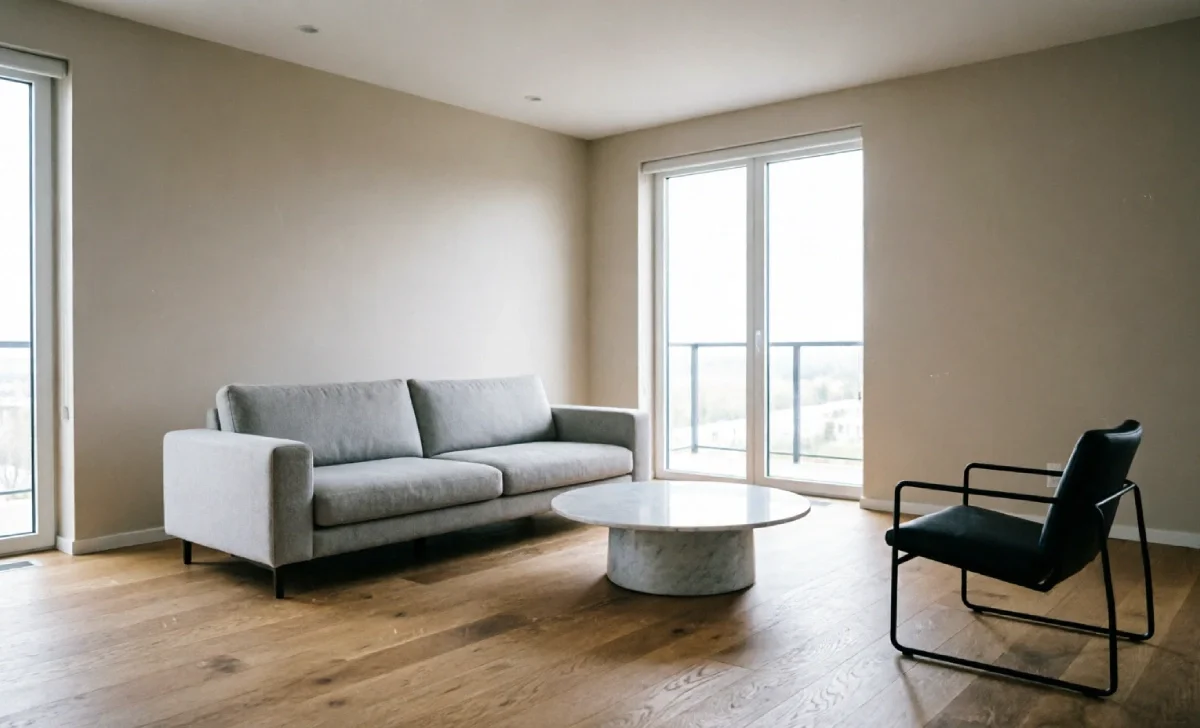
Is laminate flooring tough enough for a house full of kids and pets, or is it still the flimsy option your parents warned you about? Modern laminate flooring has changed a lot since the 1970s, and today's versions handle moisture, scratches, and daily foot traffic far better than older products. In this guide, you'll learn what laminate flooring is made of, how to pick the right thickness and AC rating, what it costs, and how to install and maintain it. By the end, you'll know if laminate flooring is right for your home.
What Is Laminate Flooring?
Laminate flooring is a multi-layer synthetic product built to look like hardwood, stone, or tile at a lower price. A high-resolution image layer sits on top of a dense core, then gets sealed under a tough wear layer. This is different from luxury vinyl, which is mostly plastic, and engineered hardwood, which uses a real wood veneer. Laminate has come a long way since it first appeared decades ago, and current products offer sharper visuals and better durability.
What Is Laminate Flooring Made Of?
Every laminate plank has four layers. The wear layer sits on top and protects against scratches, stains, and fading, which is why laminate holds up in busy hallways. Below it, the design layer is a printed image that recreates wood grain, stone, or tile with realistic detail.
The core is usually high-density fiberboard, or HDF, which gives the plank strength and dent resistance, though it can be sensitive to standing water. The backing layer adds stability and keeps the plank flat.
Types of Laminate Flooring
Traditional laminate suits low-moisture rooms like bedrooms and living areas. Water-resistant laminate adds protection against spills, making it a solid choice for hallways and family rooms.
Waterproof laminate goes further with improved core technology, suiting kitchens, bathrooms, and basements. Moisture performance still varies by manufacturer, so check the specific product's rating before you buy.
Laminate Flooring Thickness: 6mm, 8mm, 10mm, or 12mm
Thinner planks around 6mm to 8mm cost less but can feel less stable underfoot. Thicker options, generally 10mm to 12mm, give you a more solid feel, better sound absorption, and improved performance on slightly uneven subfloors. Thickness alone doesn't tell you everything about quality, so pair it with core and wear performance.
Understanding AC Ratings for Laminate Flooring
AC ratings run from AC1 to AC5 and measure how well a product resists wear. AC1 and AC2 suit light to moderate residential use, AC3 handles high-traffic homes, AC4 covers heavy residential and light commercial spaces, and AC5 is built for demanding commercial environments. A higher AC rating mainly reflects wear resistance, not scratch or impact performance, so check the full spec sheet too.
Laminate Flooring Styles and Finishes
Wood-look laminate comes in popular species like oak, maple, walnut, and hickory. Stone and tile-look options give you a natural appearance without the cold surface or maintenance demands.
Finishes range from smooth and glossy to embossed and hand-scraped. Embossed-in-register, or EIR, aligns the texture with the printed pattern for a realistic feel underfoot, and matte finishes tend to hide small scratches better than glossy ones.
Popular Patterns and Layouts
Wide-plank laminate creates an open, modern feel, while diagonal and herringbone layouts add a custom, high-end look to any room.
Where Can You Install Laminate Flooring?
Laminate works well in living rooms, bedrooms, dining rooms, and hallways. Kitchens, bathrooms, laundry rooms, and basements need more caution, since suitability depends on the specific product's moisture rating and correct installation.
Waterproof vs. Water-Resistant Laminate Flooring
Water-resistant laminate slows moisture from reaching the core during everyday spills. Waterproof laminate keeps moisture out for longer periods, but that protection depends on sealed joints, proper edges, and correct installation. It doesn't mean your entire floor system is immune to damage, so check the manufacturer's warranty closely.
Benefits of Laminate Flooring
Laminate gives you an affordable, realistic-looking alternative to hardwood, stone, or tile. It resists everyday wear, cleans easily, and often comes with DIY-friendly installation, wide style options, and water-resistant or waterproof performance. Individual planks can often be replaced if one gets damaged.
Disadvantages of Laminate Flooring
Laminate can't be refinished like solid hardwood, so deep scratches usually mean replacing the plank. Standard laminate is vulnerable to prolonged moisture, and quality varies a lot between brands. Floating floors also need proper expansion space or you risk gaps and movement problems.
How Much Does Laminate Flooring Cost?
Material costs generally run around $1 to $5 per square foot, while total installed cost, including labor, can reach $3 to $13 per square foot. Your final number depends on location, product, and room size, so budget for extras like underlayment, trim, subfloor prep, and old flooring removal too.
DIY vs. Professional Installation
Click-lock laminate in a simple rectangular room suits an experienced DIYer. Hire a professional for stairs, complex layouts, or glued installation systems, since mistakes here are costly to fix.
How to Install Laminate Flooring
Start with a clean, dry, level subfloor, repairing any cracks or bumps first. Install the underlayment your manufacturer recommends, since an attached pad isn't automatically a moisture barrier. Some products need acclimation before installation, so follow the specific instructions rather than a generic rule.
Plan your first and last rows to avoid an awkward final strip, and stagger the end joints to avoid repetitive patterns. Always leave the required expansion gap around the room's edges, use a tapping block to protect the locking system, and never nail or glue a floating floor to the subfloor unless the product calls for it.
Underlayment for Laminate Flooring
Underlayment adds cushioning, reduces sound, and can improve thermal performance. Some laminate comes with an attached pad, while other products need a separate layer. Concrete subfloors often require a moisture barrier, so check your manufacturer's requirements first.
How to Clean and Maintain Laminate Flooring
Sweep or vacuum regularly and use cleaning products made for laminate. Blot spills quickly instead of letting water sit on the surface, and avoid abrasive tools or harsh detergents that can damage the wear layer.
Use furniture pads and door mats to prevent scratches, and avoid dragging heavy furniture across the floor.
Common Installation Mistakes
Skipping underlayment, ignoring an uneven subfloor, and leaving insufficient expansion space are the most common errors, along with fastening a floating floor to the subfloor.
Laminate Flooring vs. Hardwood vs. Luxury Vinyl
Laminate costs less than hardwood and can't be refinished, but it resists moisture and wear better than many hardwood products. Compared to luxury vinyl, laminate has a harder core and a different feel underfoot, while vinyl generally handles water more consistently. Your choice depends on your room, budget, and lifestyle.
How to Choose the Best Laminate Flooring
Match the moisture rating to your room, then pick a thickness suited to how the space gets used. Check wear certification and AC rating together, choose a finish that fits your style, and confirm underlayment and warranty terms before you decide.
Is Laminate Flooring Worth It in 2026?
Laminate flooring remains a strong choice for homeowners who want the look of natural materials without the full cost. Newer products offer more realistic visuals and better moisture protection than older generations. For very wet areas or rooms where refinishing matters most, another flooring type might serve you better.
Frequently Asked Questions About Laminate Flooring
Is laminate flooring waterproof?
Some laminate products are waterproof, but many are only water-resistant. Always check the specific product's rating rather than assuming all laminate performs the same way.
How long does laminate flooring last?
With proper installation and care, laminate flooring can last many years, though the exact lifespan depends on the product quality, traffic level, and how well it's maintained.
Is 8mm or 12mm laminate better?
Thicker 12mm planks generally feel more solid underfoot and absorb sound better, while 8mm options cost less. Neither thickness guarantees quality on its own, so check the core and wear layer too.
Can laminate flooring be installed in a bathroom?
Only waterproof laminate designed for wet areas should go in a bathroom, and even then, proper sealing and installation matter. Check the manufacturer's guidance before installing laminate in any high-moisture room.
Does laminate flooring need underlayment?
Most laminate flooring needs underlayment for cushioning, sound reduction, and moisture control, unless the product comes with an attached pad that meets your subfloor's requirements. Always follow the manufacturer's specifications.
Choosing the Right Laminate Flooring
The best laminate flooring for your home depends on your room's moisture exposure, foot traffic, and budget. Match the water rating, thickness, and AC rating to how the space gets used, and check the installation system and warranty before you buy.